
Across the UK, equine management is beginning to evolve in a meaningful way.
For generations, the traditional stable-based system has been the accepted norm, even though it restricts movement, limits social interaction, and, in many cases, compromises the horse’s natural behavioural needs. As welfare research expands and owners become increasingly conscientious, many are now searching for kinder, more flexible alternatives.
One approach, adjoining pens to stables, has existed across Europe for decades, but only recently has it begun to take hold here. And at Jelka, we’ve seen this shift first-hand, with a significant increase in enquiries and multiple projects carried out across the UK to help yards transition to this more welfare-aligned system.
What Are Adjoining Pens?
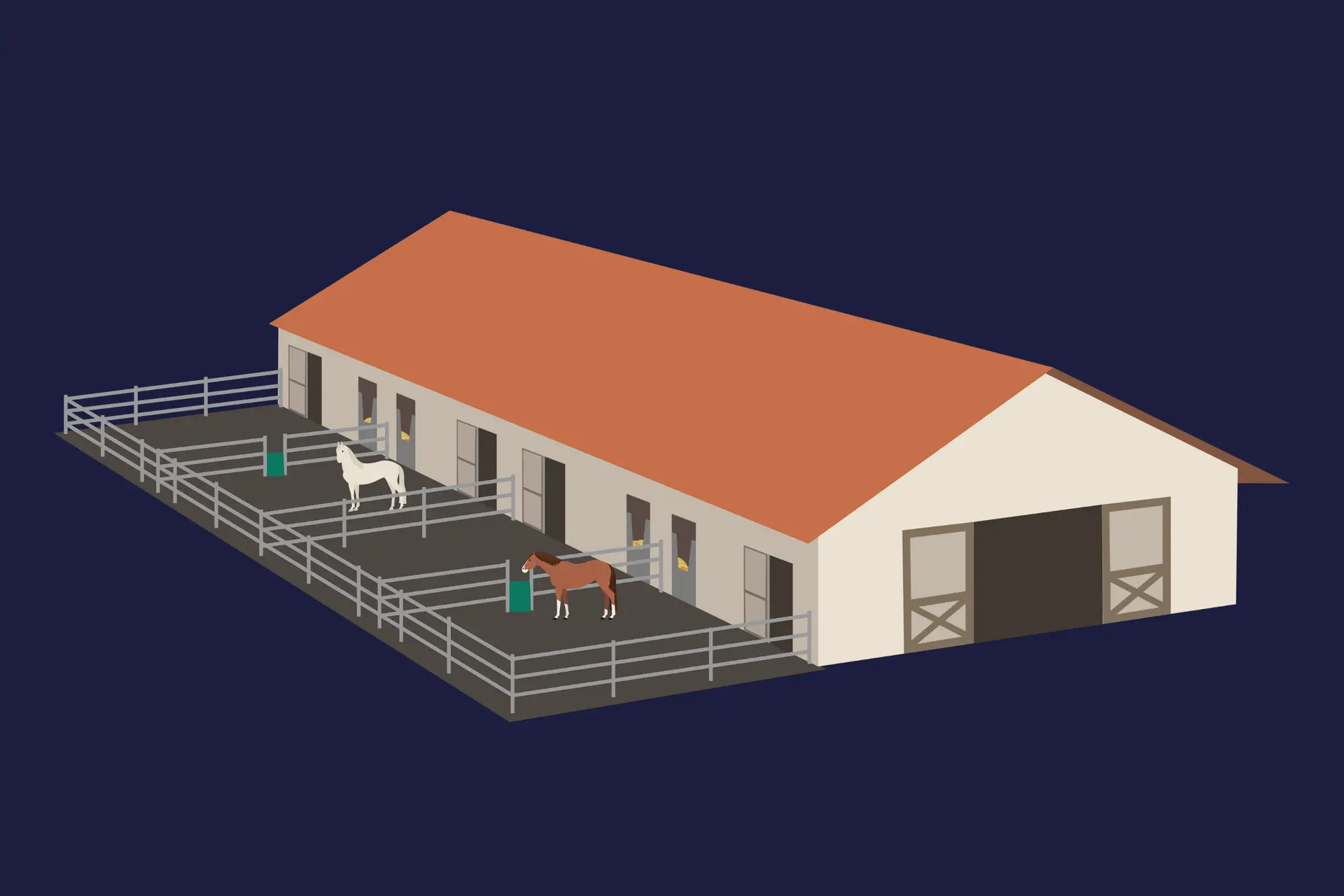
Adjoining pen design
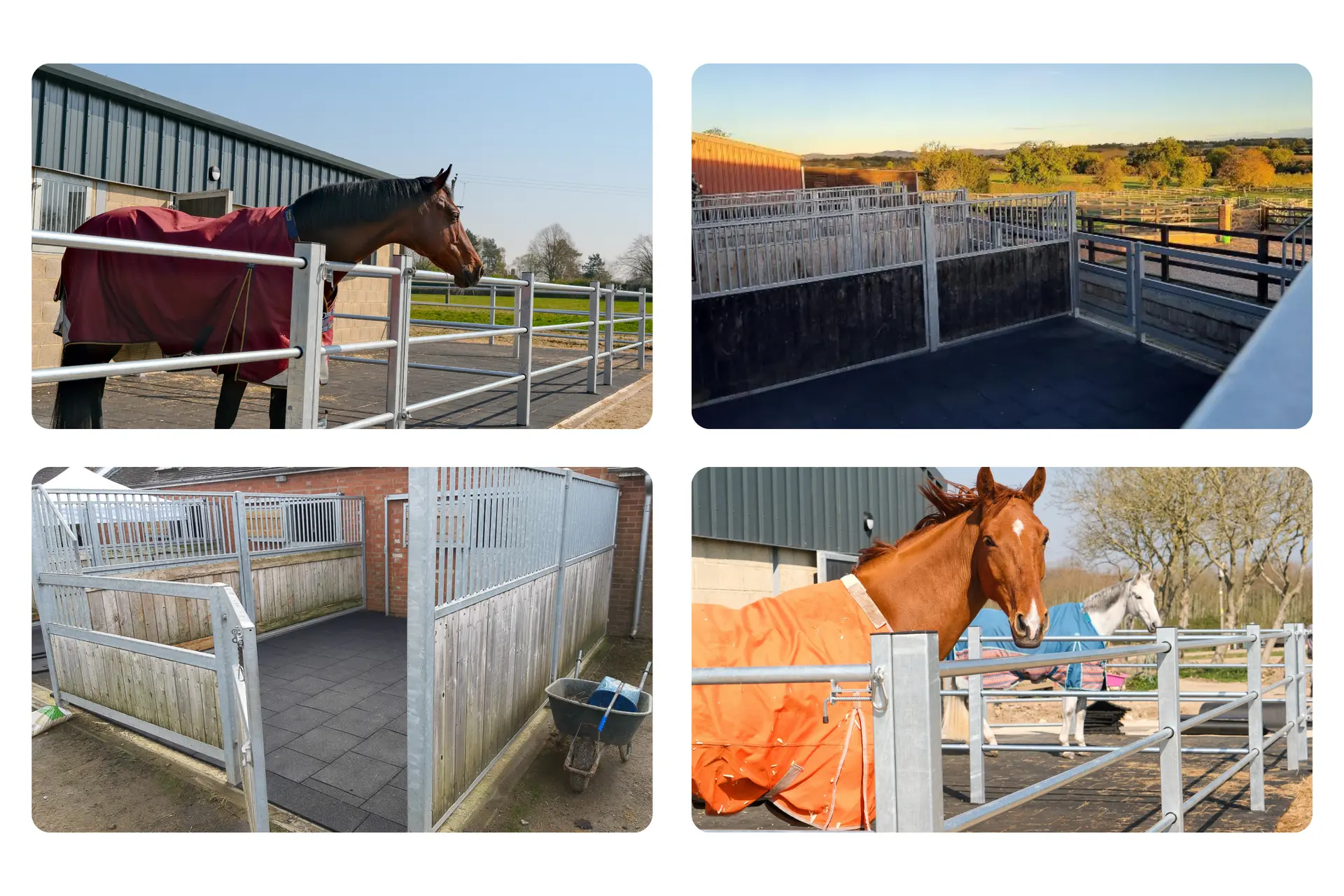
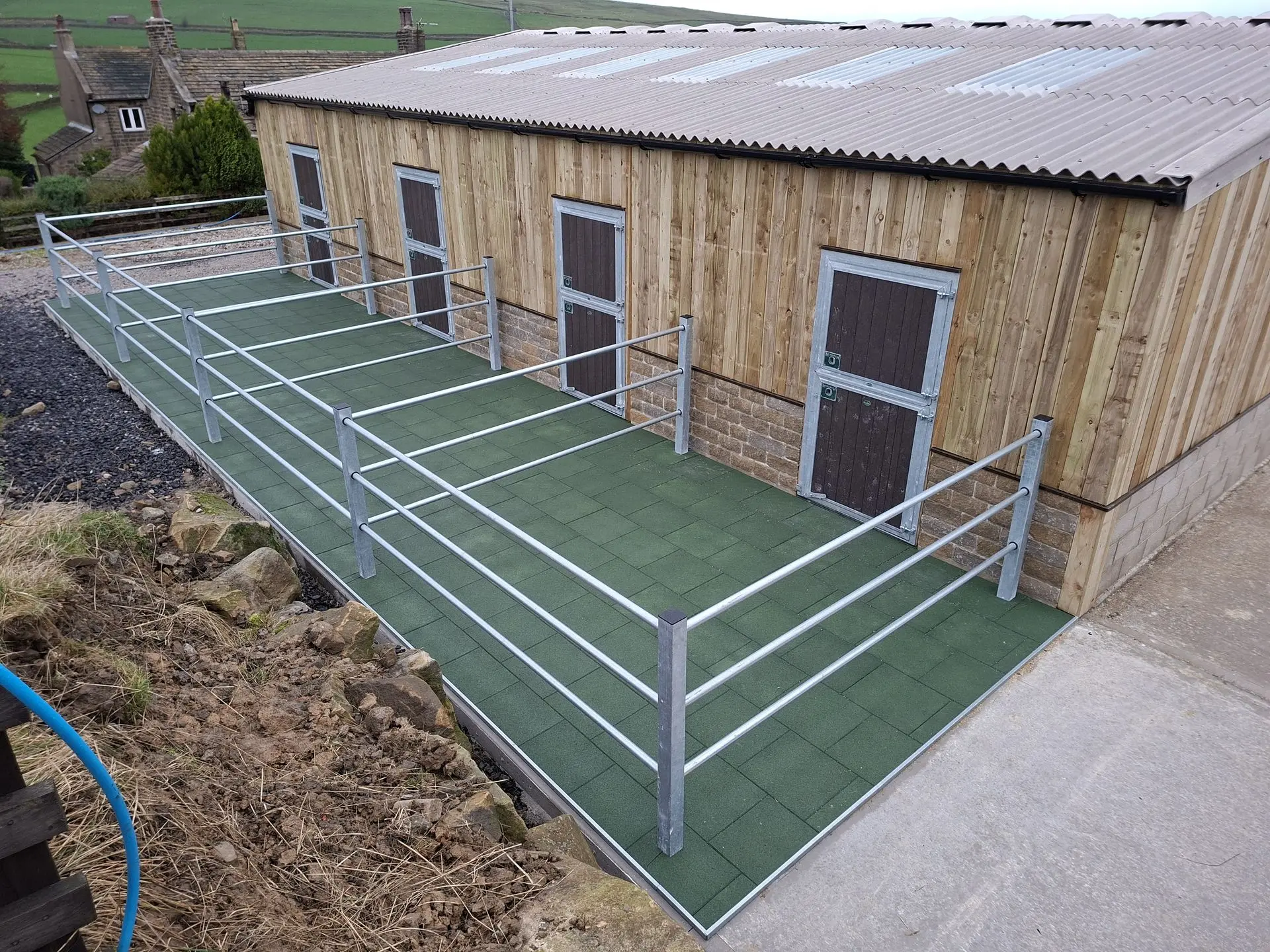
Adjoining pens are individual outdoor living spaces that share fence lines, allowing horses to interact, communicate and maintain social bonds while still having their own defined area. Each pen typically connects to a stable, creating a system that offers fresh air, natural light and the freedom to move around at any time of day.
For many yards, especially in the UK’s challenging winter climate, adjoining pens offer a practical solution when turnout is limited, paddocks are resting, or land availability is scarce. Horses remain outside, but with structure, safety and social contact, elements central to both physical and emotional wellbeing.
The Rise in Popularity
While adjoining pens have been commonplace in countries such as Germany, Sweden and the Netherlands for a long time, the UK has only recently begun to embrace them. This growth has not happened by accident. Rather, it reflects a cultural shift in how owners understand horse welfare, combined with the very real pressures of British winters and restricted land. Increasingly, owners recognise that the traditional model of stabling for long hours is at odds with what we now know horses need.
At Jelka, we’ve experienced this change directly. Over the past few years, we have received a steady rise in enquiries from yards looking to incorporate adjoining pens into their facilities. Many of these projects have already been completed, ranging from small private yards to large-scale professional environments. The common theme is a desire to create a more natural, socially enriched lifestyle for horses without compromising safety or practical management.
The Supporting Research
A significant body of research now confirms what many owners have long suspected: movement and socialisation are essential components of equine health, not optional extras (Lesimple, 2020; McGreevy, 2012). Studies examining the behaviour of stabled horses consistently report increased stress markers, reduced gastrointestinal health, and a higher prevalence of stereotypic behaviours when compared with horses kept in more socially enriched environments (Lesimple & Hausberger, 2014; Cooper & Albentosa, 2005).
Researchers such as Hartmann, Lesimple, and Hausberger have shown that horses deprived of social contact display heightened reactivity and signs of chronic stress, while movement-restricted horses suffer negative impacts on hoof condition, musculoskeletal development and overall wellbeing (Hartmann et al., 2012).
Outdoor living, even in controlled or semi-managed systems, has also been linked to improved respiratory health, steadier behavioural patterns and enhanced general contentment. Horses kept with the ability to touch, groom and communicate through safe fencing show more relaxed postures, more natural social behaviours and lower levels of anxiety (Munsters et al., 2012; Visser & van Wijk-Janssen, 2012).
Adjoining pens, by design, support these innate needs. They allow horses to maintain social bonds and physical freedom while still providing a controlled environment suited to British weather and yard limitations.
Restrictions and Practical Considerations
Despite their benefits, adjoining pens do require thoughtful planning. Adequate space, the right surfaces, appropriate drainage and safe fencing are essential if the system is to function well year-round. Costs upfront may be comparable to building traditional stables, depending on the scale and complexity of the installation. Yard layout also plays a role. Some facilities are easier to adapt than others, and not all land or structures can be converted immediately.
However, many of the yards we’ve worked with at Jelka report that once installed, adjoining pens often reduce long-term maintenance and daily labour. They also bring a level of flexibility that typical stabling cannot offer, especially in wet winters or on land with limited turnout availability.
The Importance of Change in How We House Horses in the UK
The increasing interest in adjoining pens reflects a broader movement in the equine community: a willingness to rethink long-accepted practices in favour of more welfare-oriented solutions.
Horses are herd animals designed to roam, graze, and interact socially throughout the day. Yet in the UK, many still spend the majority of their lives indoors, isolated and restricted. As research continues to highlight the importance of choice, movement and companionship, it becomes clear that horse housing must adapt.
Adjoining pens represent a practical, achievable way for British yards to make this shift. They balance the realities of our climate and land use with the behavioural needs of horses, offering a system that respects both welfare science and day-to-day management (Werhahn et al., 2010).
Conclusion
The rise in popularity of adjoining pens in the UK marks a positive and overdue transformation in equine management. Supported by robust research and real-world success across Europe, this system offers horses more autonomy, more social contact and a more natural lifestyle, without placing unrealistic demands on yards.
At Jelka, we are proud to be part of this movement, helping owners create environments where horses can thrive physically and emotionally. As more yards adopt adjoining pens, we move one step closer to a future where horses’ natural needs sit at the heart of how we care for them.
Reference List
Hartmann, Elke, Eva Søndergaard and Linda Keeling, ‘Keeping Horses in Groups: A Review’, Applied Animal Behaviour Science, 136.2–4 (2012), 77–87.
Lesimple, Claire, ‘Indicators of Horse Welfare: State-of-the-Art’, Animals, 10.2 (2020), 294.
Lesimple, Claire and Martine Hausberger, ‘How Accurate Are We at Assessing the Welfare State of Horses?’, Animals, 4.3 (2014), 562–582.
McGreevy, Paul, Equine Behavior: A Guide for Veterinarians and Equine Scientists, 2nd edn (London: Saunders Elsevier, 2012).
Munsters, C., G. van Oossanen, H. Könning, and M. van Weeren, ‘Exercise and Heart Rate Responses in Horses Kept Under Different Housing Conditions’, Journal of Animal Physiology and Animal Nutrition, 97.5 (2013), 854–860.
Visser, E. K. and E. van Wijk-Janssen, ‘The Influence of Housing on the Behaviour and Welfare of Horses’, Equine Veterinary Education, 24.11 (2012), 552–559.
Werhahn, Hanna, Per‐Henrik Andersen, Lars Jørgensen et al., ‘Housing Horses in Pairs or Groups—A Review of the Influence on Safety, Health and Welfare’, Pferdeheilkunde, 26 (2010), 298–306.
Discover what we can do for you