
How do I level an arena surface?
A specialised machine such as the ArenaMate® Type 3 RFB is designed to mix and level riding surfaces. You tow the leveller and it does all the work for you, the leveller uses a combination of tines to mix and loosen and rollers to keep the machine steady and level the surface. Finally you can use side blade built into the machine to pull the perimeter bank into the track.
Unfortunately for us horse owners, it is impossible for an arena surface to remain at its optimum and promote the best performance possible from your horses without regular maintenance. Even ‘low-maintenance’ riding surfaces need some level of care and maintenance.
Why Riding Surfaces Require Levelling
One of the biggest mistakes we see is horse owners who make a substantial investment in their riding arena and its surface, but underestimate the importance of quality maintenance equipment. Not only to keep the surface safe to ride on but also protecting the longevity of the surface components.
The main purposes of arena levelling:
To keep the surface materials consistently mixed together
To break up a compacted surface which could otherwise lead to slips, trips and falls which could injure both horse and rider. Hard surfaces can cause shock on landing and increase the likelihood of lameness.
To redistribute the surface and ensure there are no shallow areas or holes.
To promote consistent moisture retention and therefore reduce dust content.
Remember: Arena levelling and maintenance isn’t just for making it look ‘pretty’. Proper maintenance is required to keep your surface level and consistent to ride on, and to protect your horse from injuries while maximising the lifespan of your surface material.
How Often is Levelling Required?
There is no one-size-fits-all approach when it comes to how often you should be levelling your surface, as this depends on the frequency of usage, climate, surface type, type of riding, etc. As a general rule use a leveller over the complete surface for every 1-2 hours of riding.
With proper arena maintenance equipment, maintaining your surface is quick and easy, and ensures you are providing your horses with a safe riding surface that they can perform their best on.
Signs that your surface needs levelling:
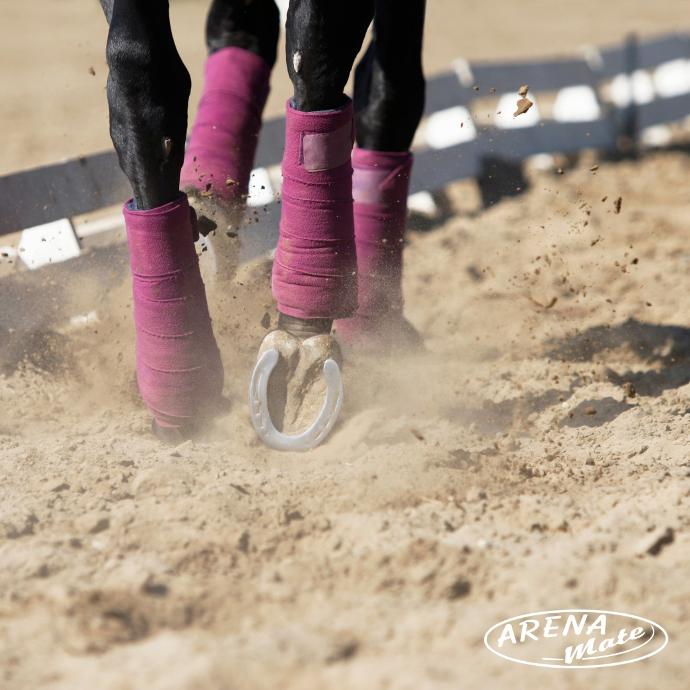
If there is a visible, sometimes quite deep, track around the outside of the arena, this definitely needs re-distributing and levelling.
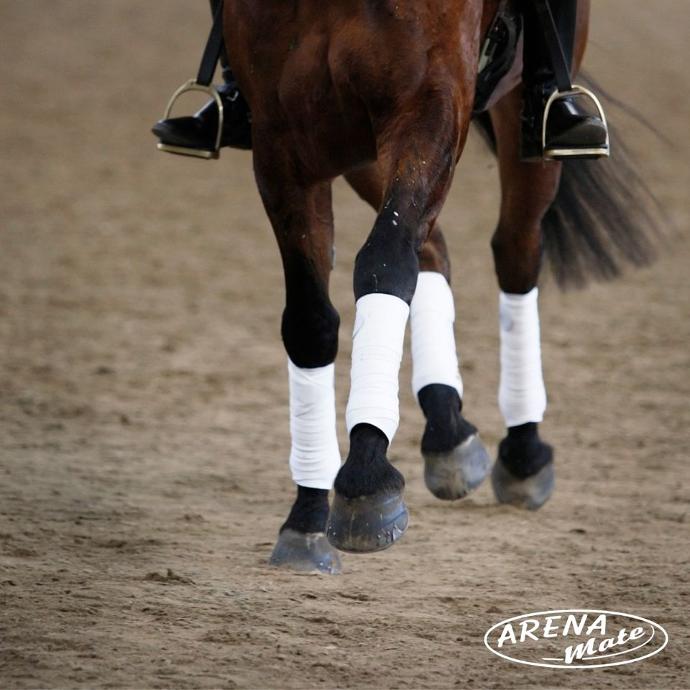
If the surface is covered in hoof prints – or worse – has become so compacted it is difficult to see all the hoof prints, then the top layer definitely needs to be broken up and levelled.
We recommend using a leveller that has a built-in adjustable side blade, to automatically pull in the materials from the kick boards, rather than having to manually go around with a rake!
The techniques to effectively level your arena surface
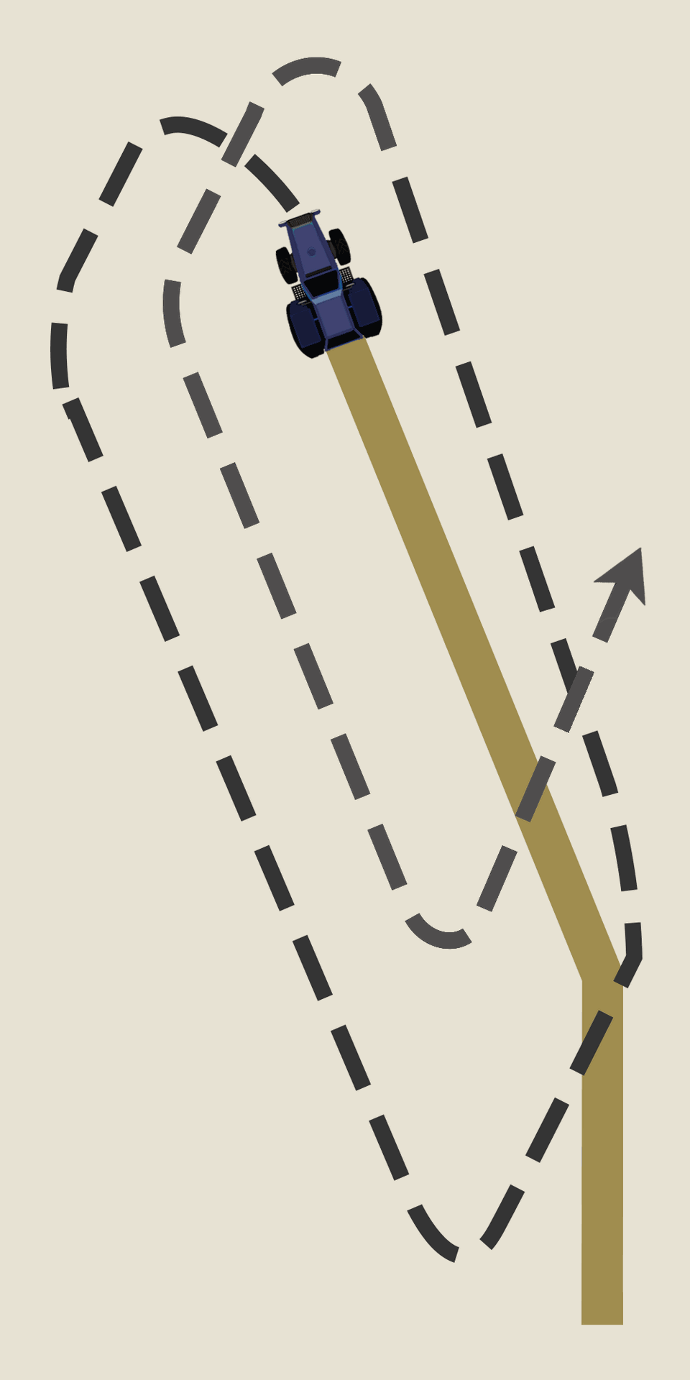
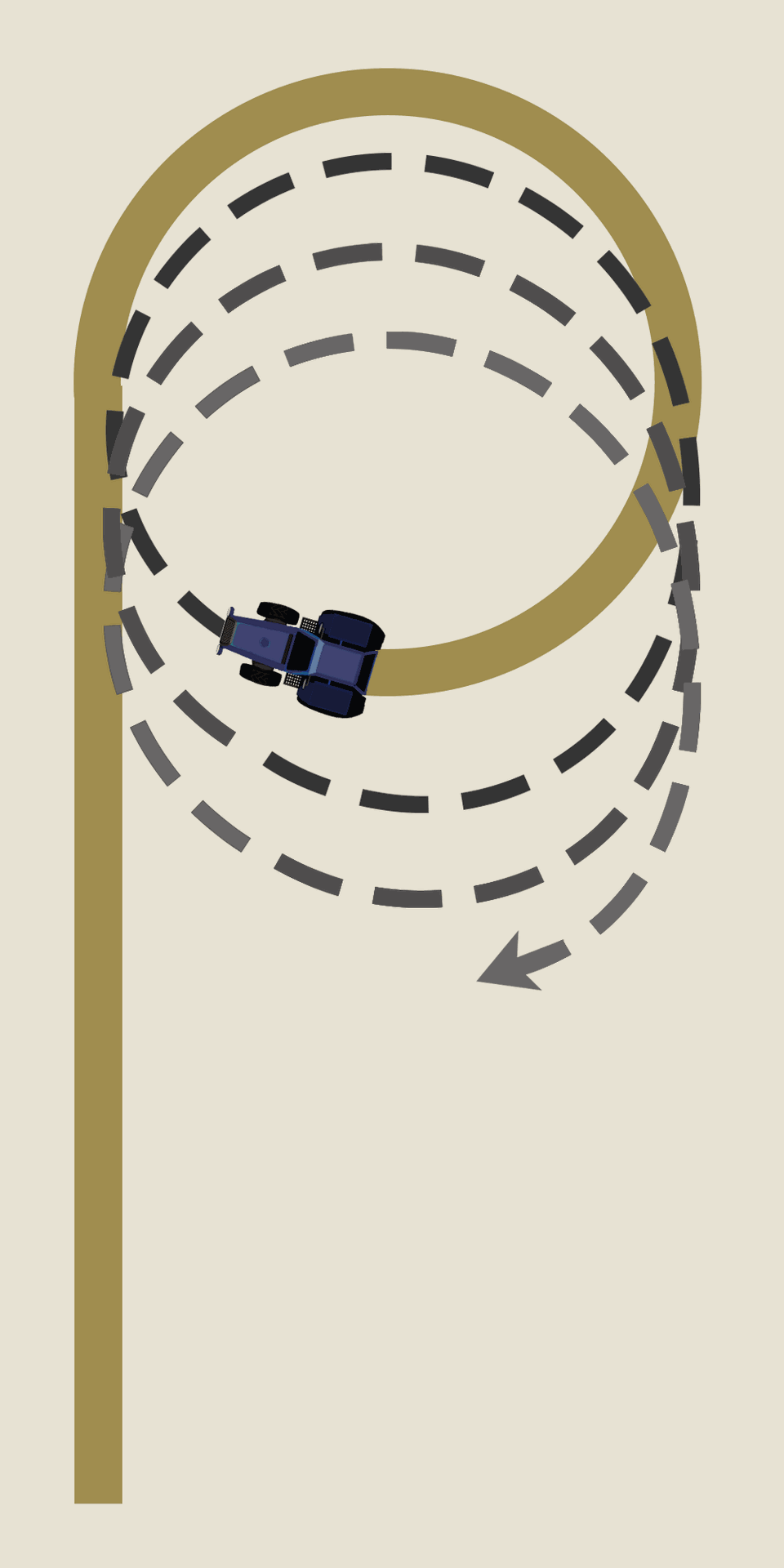
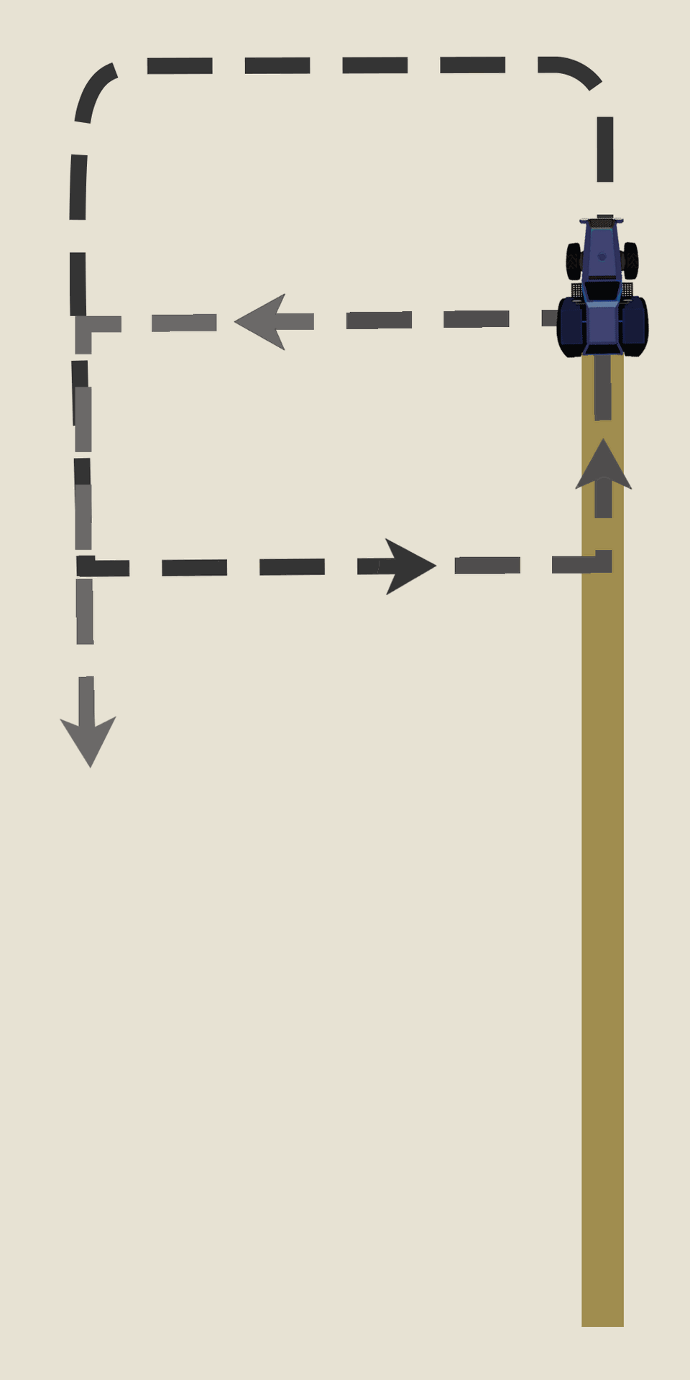
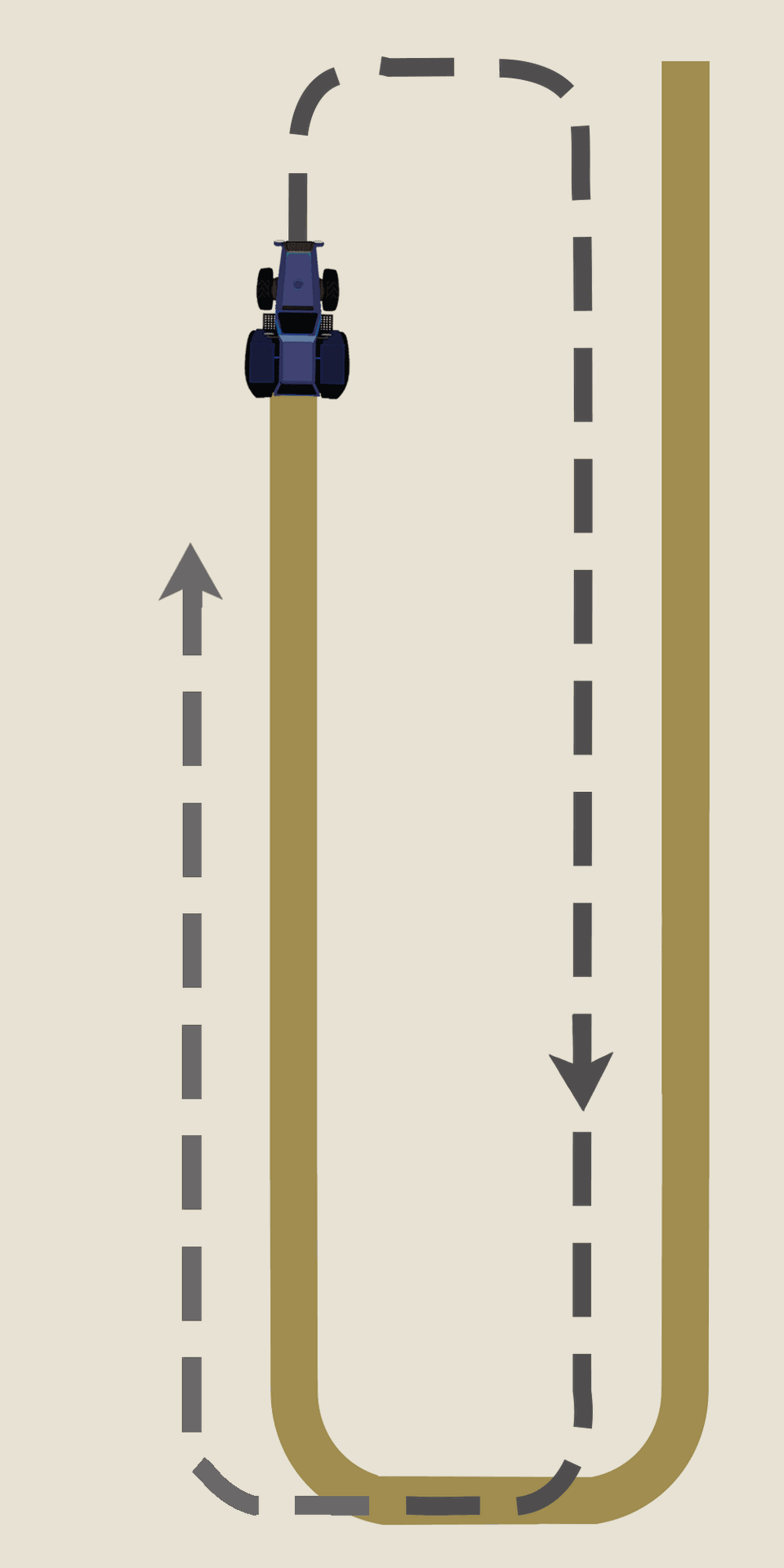
You can view the diagrams below which show the type of patterns you can use on your arena. Keep in mind that the most efficient pattern is one that includes circular motions. This is due to the machine working at different angles to the riding direction and helps to fill in the tracks created by riding and lunging.
All our levellers include a built in adjustable side blade to perimeter levelling, saving you hours of manual raking the edges.
Final Top Tips
If you jump in your arena, make sure to regularly move the jumps around so that the landing and turning areas are not always in the same place.
Always remove manure and leaves from your arena, otherwise, these can break down and change the consistency of your surface.
If horses are frequently lunged in your arena, try not to lunge them in the exact same spot every time, as this will affect the surface where they are repeatedly going over the same area.